Cable testers
Client:
Shrike Marine
Date:
2014
Position:
Design Lead - Design director at ...XYZ Design
Roles:
Concept design, Industrial design, Detailed mechanical design, Design for manufacture
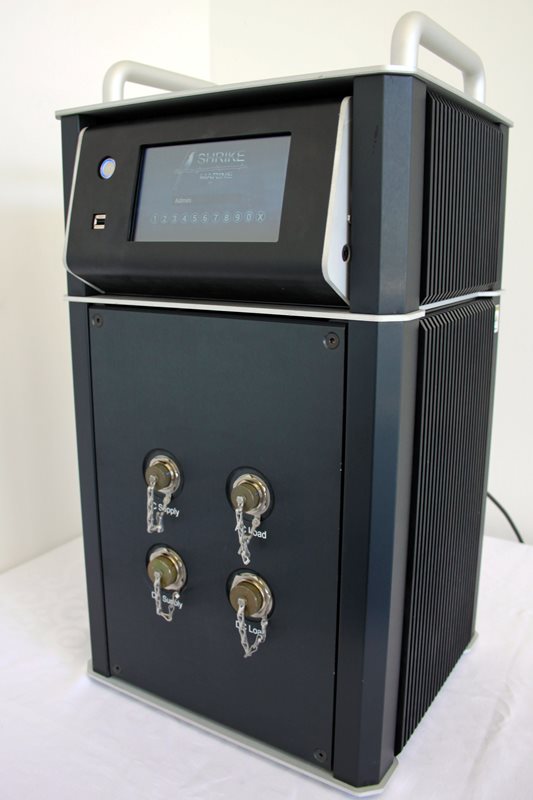
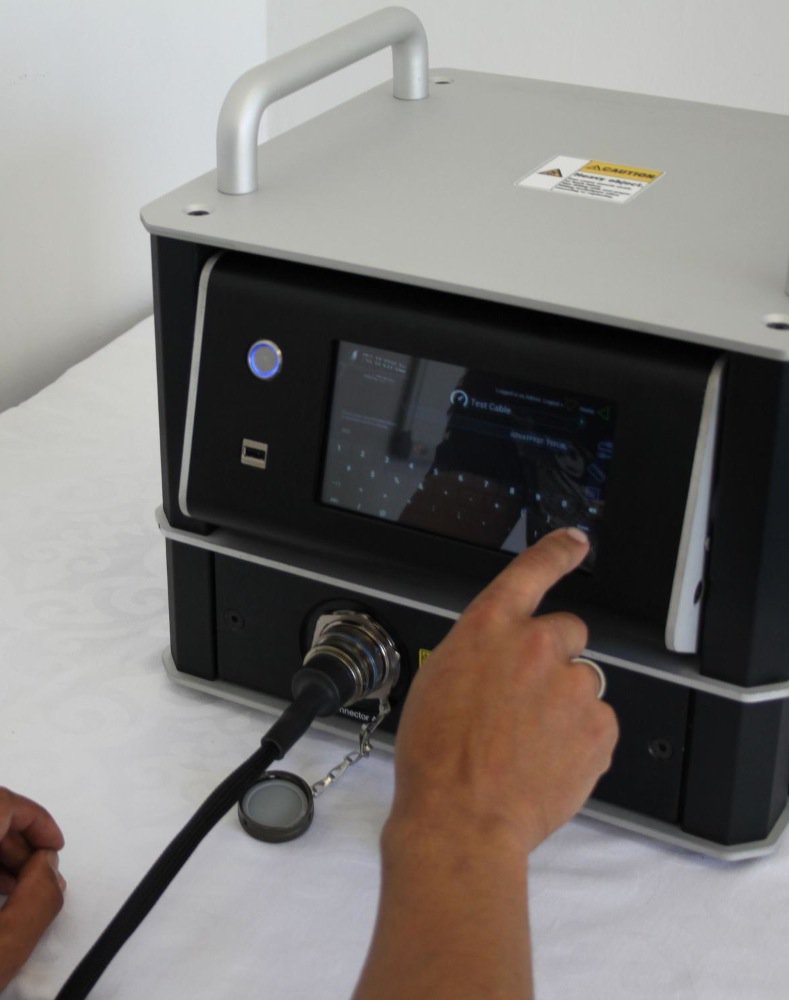
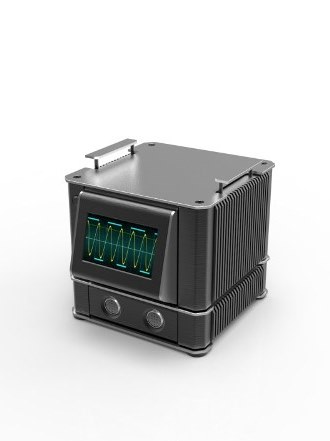
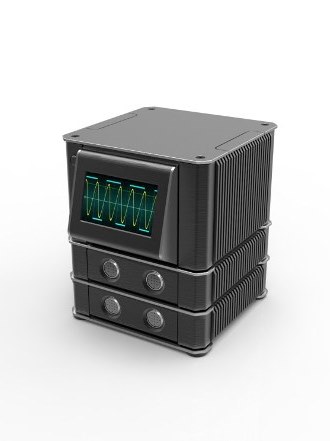
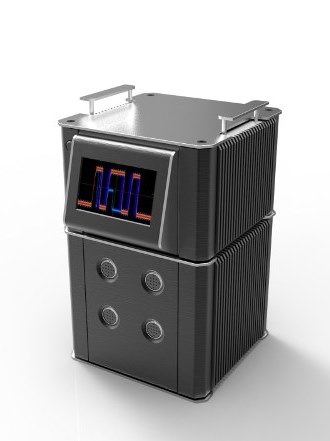
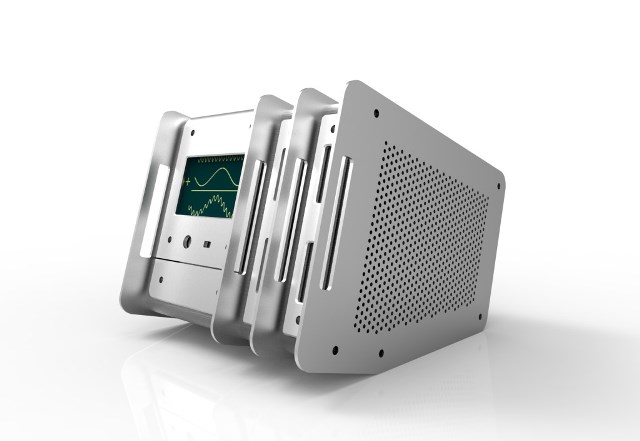
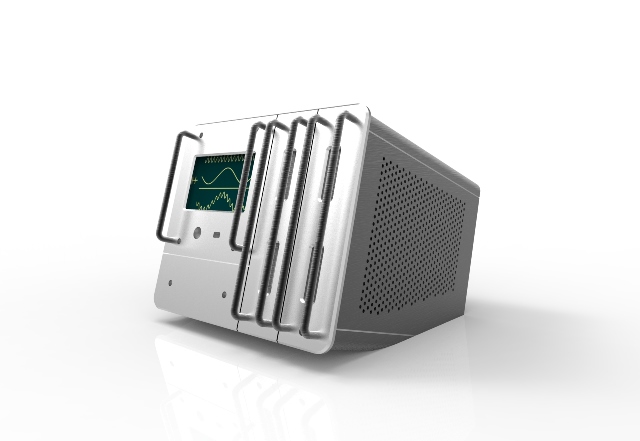
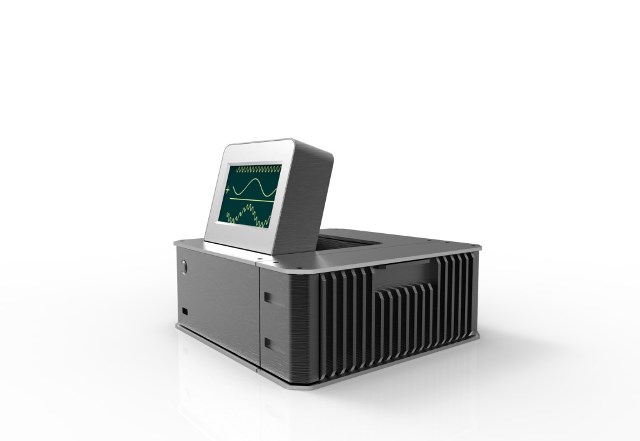
Shrike Marine manufacture various military devices that are supplied to the South African Defence Force. Among these products are military spec cables that connect different military devices to power, audio, comms, data, etc. Because of the strict quality control required during the manufacture of these cables, Shrike Marine required specific testing equipment for analysing the numerous channels used by the cables to make sure they are properly connected and assembled according to military specification as well as to test them to maximum load. This resulted in the design of a modular cable testing system. The design is modular to take into account the different types of cables to be tested and to allow for different tests to be run through each cable assembly. The modular design consisted of a primary computational module with a touchscreen interface that allowed for the user to access and initiate the required test procedure. This module was then connected to different cable interface modules that each afforded that attachment of the relevant cables. Pictured above is the cable load tester (above left) and the connectivity tester (above right).

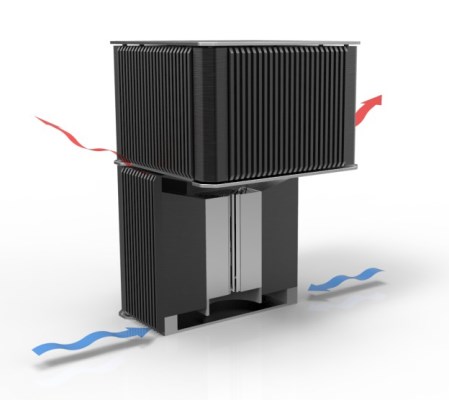
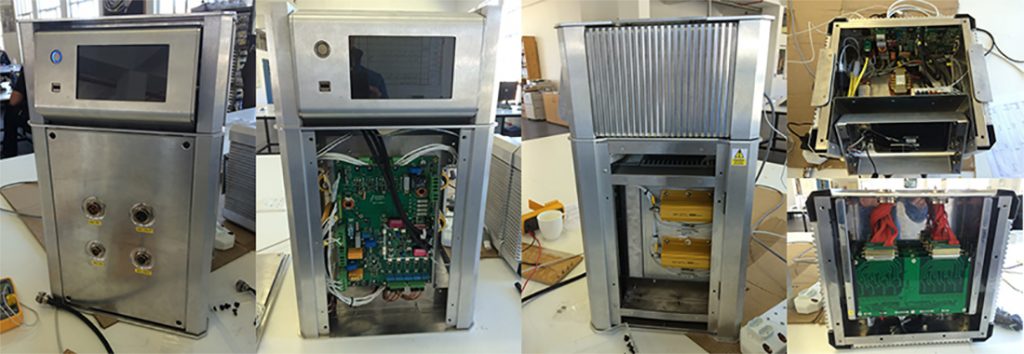
The enclosures were designed to allow for easy assembly and maintenance of the internal electronics as well as the effective dissipation of heat generated during the testing process. Shrike Marine also requested an aesthetic similar to that of high end audio equipment to make the equipment more appealing. The materials chosen for the enclosure where therefore stainless steel and anodised aluminium. The aluminium was used for its heat dissipation properties, like a heat sink and also achieved the high end audio appeal. The load tester had internal heat sinks for dissipating the large amounts of heat generated during the tests which were augmented by a series of fans to blow air over them to manage the temperature.
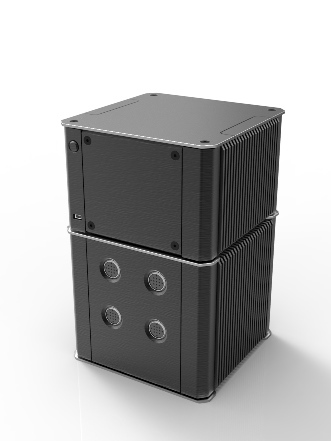
The above images show the final concept ideas before moving into the detailed design phase. The concepts show the modularity as well as how the touch screen can rotate into a closed position when not in use. Below are some images showing the initial fit and function tests of the enclosure with the electronics prior to the final finishing and anodising.
The below images show some of the additional concepts that were explored during the design process.


Contributors: Shrike Marine development team (Electronics and software), Roelf Mulder (Design support), Peter Westerman (Production and procurement)