Lula
Client:
Nomanini
Date:
2011
Position:
Senior designer at ...XYZ Design
Roles:
Industrial design, Detailed mechanical design, Design for manufacture
Nomanini is a fintech company aimed at disrupting the informal financial sector in Africa by empowering informal vendors through the sale of mobile services vouchers and payments. This has been enabled through the development of various POS devices, one of them being the Lula which makes use of GSM and GPS technology to communicate with Nomanini's servers to track and manage transactions. Nomanini means "anytime" in Siswati and is the aim of Nomanini's services, to make them available anytime they are required. For the Lula, Nomanini developed the firmware, electronics and back end system in parallel to the design of the enclosure and interface of which I was a key contributor. The core impact behind the design of the Lula is simplicity, from the simple approachable design of the enclosure to the straightforward user interface, simplicity was key to making the design appealing to the end users.
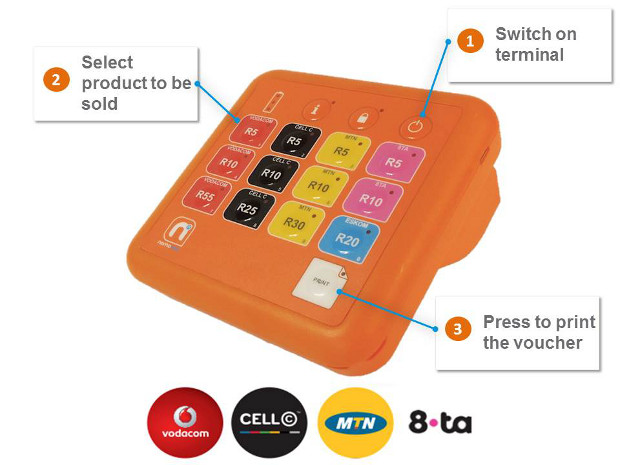
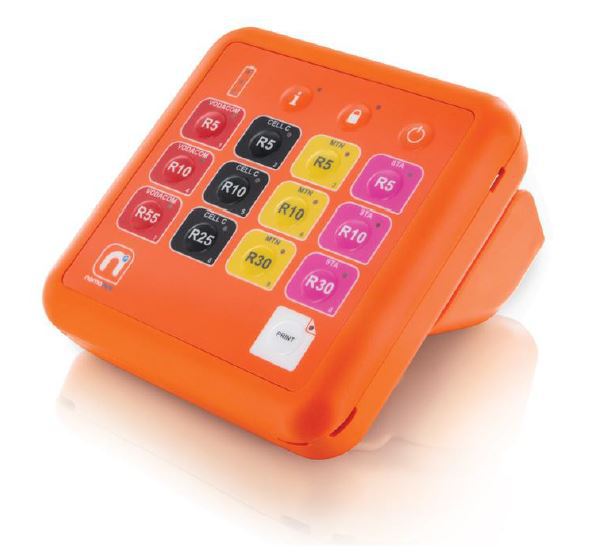
Most of the the users are from disadvantaged backgrounds and therefore are not very literate, therefore making the Lula product easy to use was imperative. The interface is a simple grid of keys displaying different monetary values for various services. The vendor simply pushes the the value that is requested, pushes print to print the voucher and then takes payment from the purchaser to complete the transaction. The harsh african environment where the device is used meant that the enclosure needed to be robust in order to handle daily bumps, drops and rough handling. From the design of the keypad to the paper tray, this was taken into account resulting in a design that can handle a 1 metre drop onto concrete and has an IP54 rating.
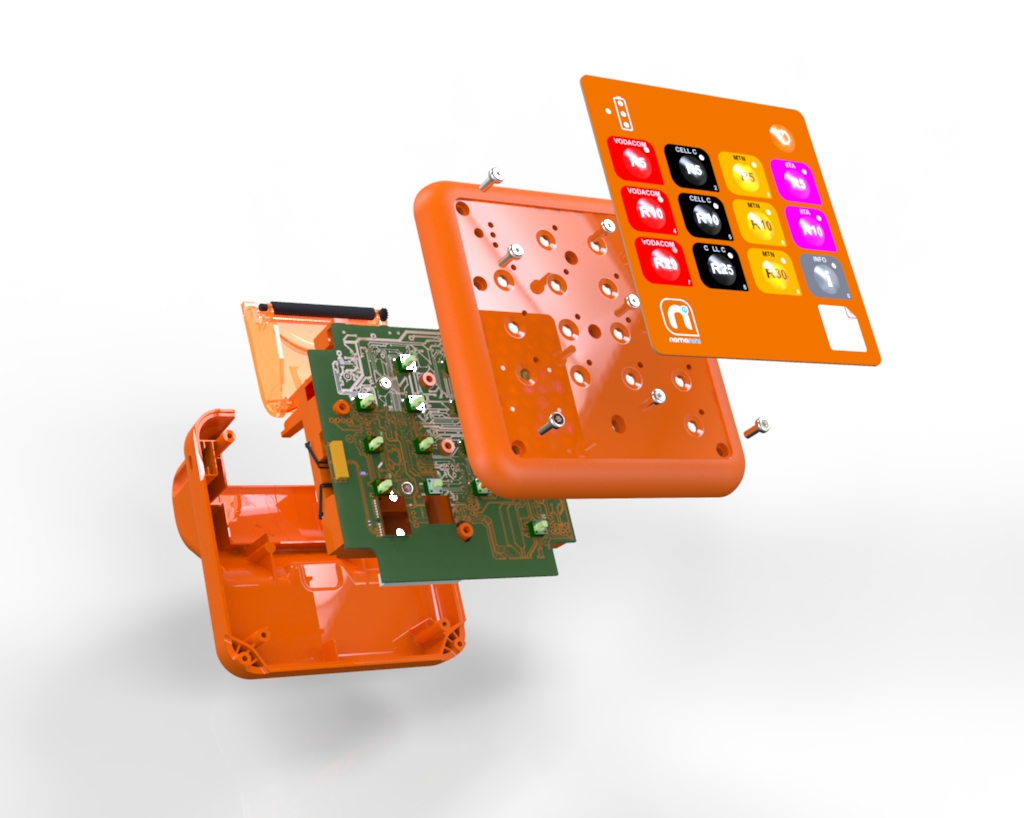
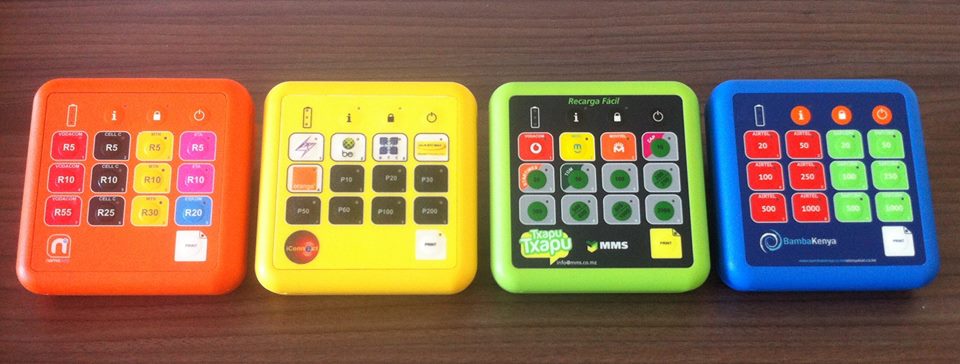
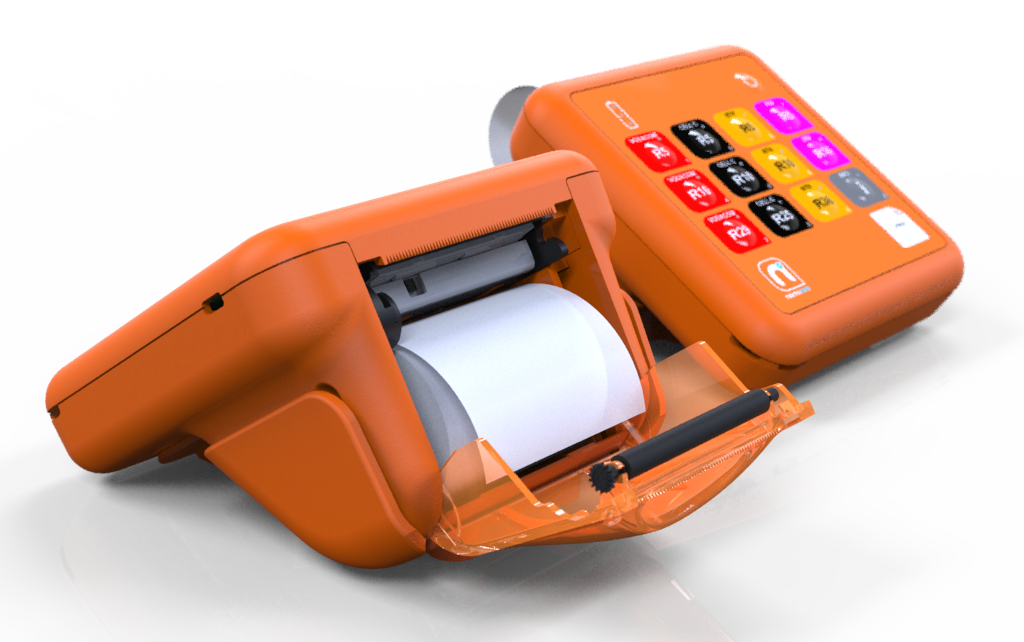
The paper tray has a novel feature whereby, should it be over stressed during opening or closing, it detaches and is easily clipped back into place. The design of the internal components allows for the electronics to be fully assembled and tested before final assembly further adding efficiency during the QC assembly process. The simple keypad overlay can be easily modified for various models offering different services in different regions thereby adding a level of customisation with little effort without sacrificing effectiveness or additional moulding costs.
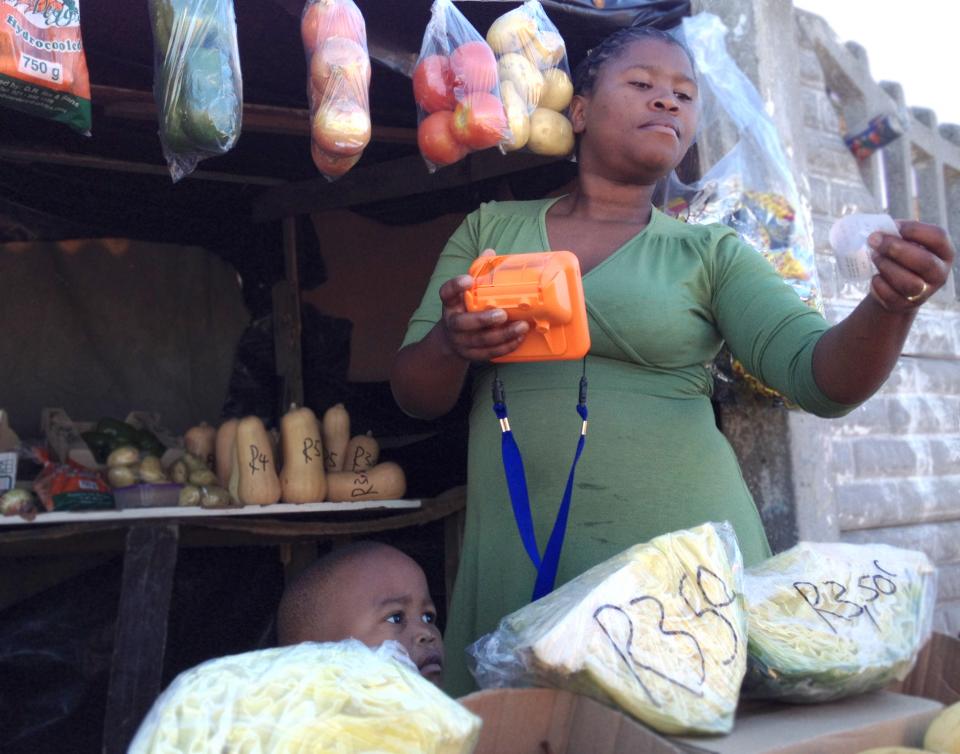
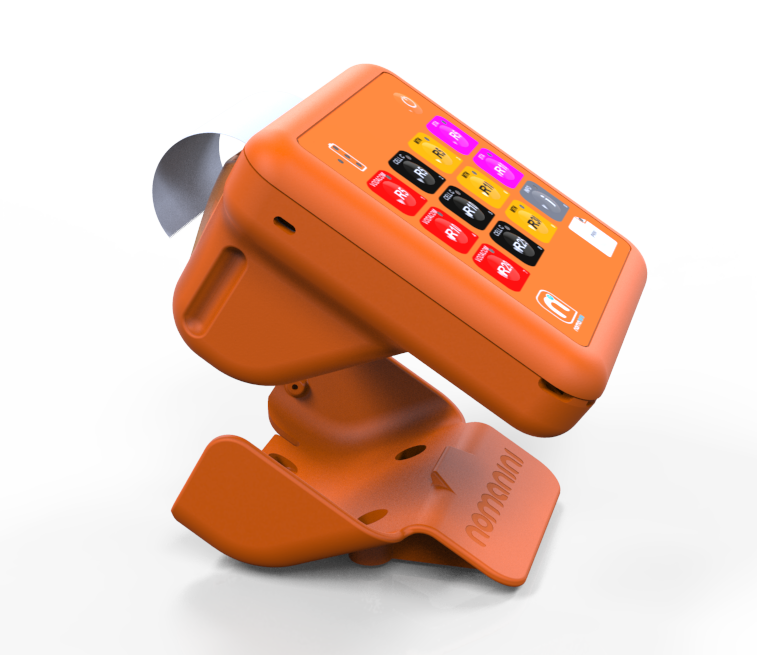
The design allows for various means for the device to be mounted, either in a cradle where the Lula can be mounted to any flat surface (such as inside a taxi) or through the use of a lanyard so the Lula can be carried around the neck.

Contributors: Nomanini development team (Electronics and Software), Byron Qually (Design director), Ryan Fowler (Design support), Richard Perez (Operations), Dewald Koegelenberg (Production and procurement)